
What can the world learn from Estonia’s approach to early childhood education?
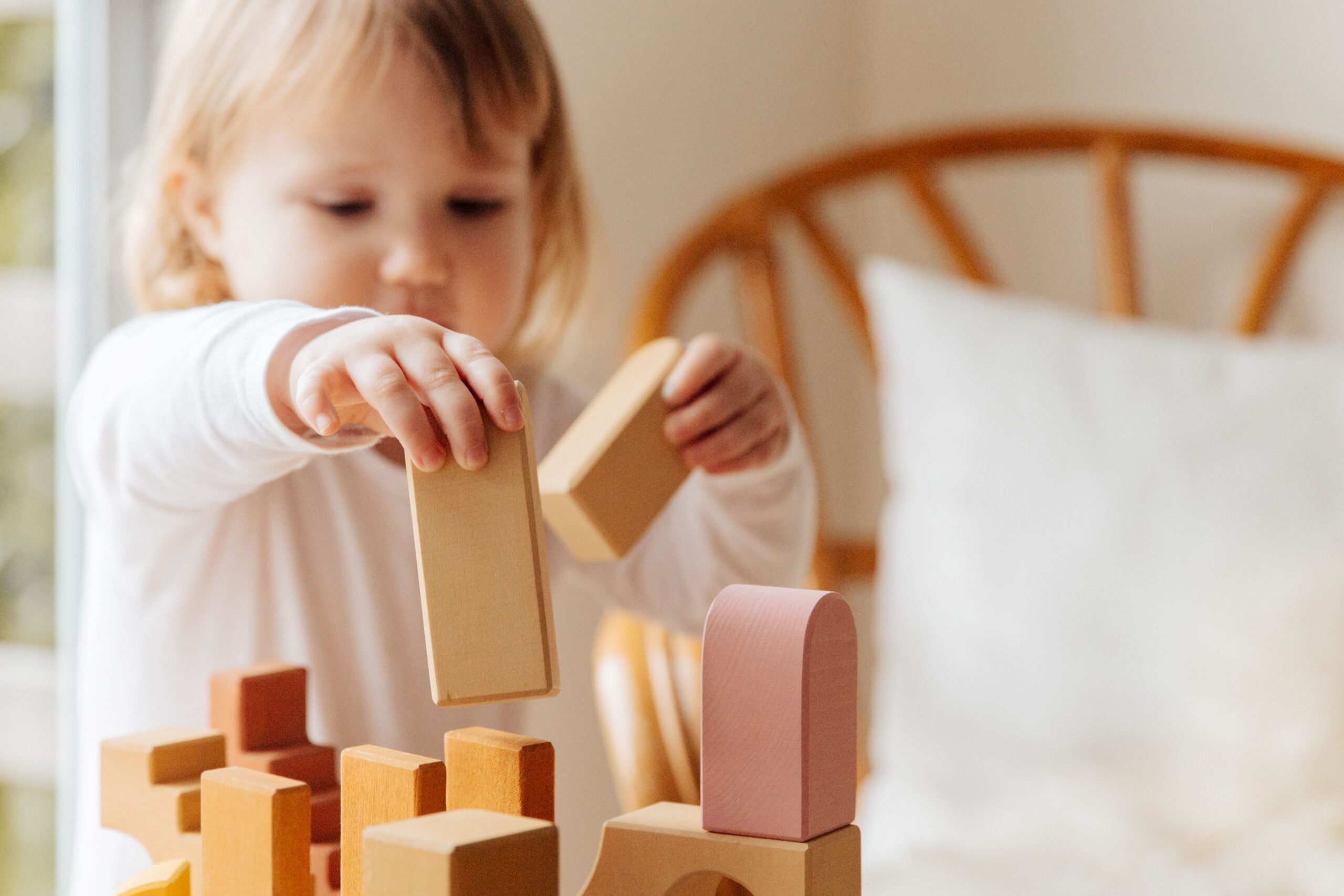
A three-year-old child is building a tower with wooden blocks. Suddenly, the tower collapses. Instead of giving up, the child tries again, rearranging the blocks and experimenting with different ways to make the structure more stable. There are no textbooks, worksheets or formal instructions involved. Yet something important is happening. The child is exploring, solving problems, testing ideas and learning to cope with setbacks. These are skills that will support learning throughout life.
Meaningful learning begins long before a child enters a classroom.
Estonia’s educational success begins before school
Estonia has attracted international attention for its strong educational performance. The latest PISA 2025 results once again place Estonian students among Europe’s top performers. When discussing Estonia’s educational success, much of the attention naturally focuses on schools, teachers, digital innovation and educational policies. However, another important part of the education system deserves recognition: early childhood education. Curiosity, independence, concentration, problem-solving and self-regulation do not suddenly develop when a child starts school. Their foundations begin to form much earlier, through everyday experiences, interactions and play. Research from Harvard University’s Center on the Developing Child highlights how early experiences and relationships shape brain development and lay the foundations for future learning.
Longitudinal research, including the Effective Pre-School, Primary and Secondary Education (EPPSE) study conducted in the United Kingdom, has demonstrated that participation in high-quality early childhood education is associated with better educational outcomes later in life. This highlights an important perspective: improving educational quality requires us to look beyond schools and consider the child’s entire learning journey.
Play-based learning is more than just play
One of the fundamental principles of early childhood education in Estonia is learning through play. For young children, play is not separate from learning. It is a natural way to explore the world, develop new skills and make sense of their experiences. When a child wonders why a stone sinks while a piece of wood floats, they are beginning to develop scientific thinking. They observe, compare, make predictions and search for explanations. When children build a sandcastle together, they practise communication, cooperation and problem-solving. When a puzzle piece does not fit, a child faces a choice: give up or try another approach. These small moments provide opportunities to develop persistence, concentration and emotional self-regulation. Although these activities may appear simple, they involve complex developmental processes.
Play-based learning does not mean that the educator’s role is less important. Quite the opposite.
Educators create environments that encourage curiosity, provide age-appropriate challenges and allow children to explore solutions independently. Rather than immediately providing answers, a teacher might ask: “What do you think happened? How could we try it differently?” Such questions encourage children to think critically, experiment and develop confidence in their own abilities.
Putting these principles into practice at Väike Päike
At Väike Päike, an early childhood education organisation in Estonia, we combine play-based and experiential learning with contemporary educational approaches. Across our kindergartens and childcare centres, we focus on supporting children’s independence, curiosity, emotional development and self-regulation. We believe that every child is a capable and curious learner who deserves opportunities to explore, experiment and develop at their own pace. An important part of our educational approach is STEAM education, which integrates science, technology, engineering, arts and mathematics. In early childhood, STEAM does not mean introducing complex technologies or academic exercises at an early age. Instead, it means creating meaningful opportunities for children to investigate, build, measure, compare, experiment and discover. A simple building activity, for example, can become an opportunity to explore balance, weight, stability and the properties of different materials. Through hands-on experiences, children develop their understanding of the world. Educators support this process by asking open-ended questions, encouraging exploration and creating thoughtfully designed learning environments. Equally important is recognising that every child develops at their own pace. A safe, supportive and stimulating environment allows children to take initiative, make mistakes and discover that learning is a continuous process rather than a search for the one correct answer.
High-quality early childhood education starts with educators
While learning environments, educational methods and materials all play an important role, the quality of early childhood education ultimately depends on the people who work with children every day. Educators influence how children experience learning, how their individual needs are recognised and how opportunities for development are created. Their knowledge, attitudes and professional skills shape the learning environment. This is why improving early childhood education cannot be limited to introducing new teaching methods or educational resources.
Continuous professional development, reflective practice and knowledge sharing are equally essential.
At Väike Päike, we believe that educators should have opportunities to develop their professional skills, exchange experiences and explore new approaches throughout their careers. Through the Väike Päike Training Center, we share practical knowledge and experience gained from working in early childhood education. Our professional development activities support educators and educational organisations in strengthening their practices and creating meaningful learning experiences for children. We believe that educational quality improves when valuable knowledge and effective practices are shared beyond individual institutions.
What Can the World Learn from Estonia’s Experience?
Estonia’s strong PISA performance provides an opportunity to reflect on the principles that contribute to a successful education system. However, there is no single formula for educational success. Education systems operate within different cultural, social and institutional contexts. Approaches that work well in one country cannot always be transferred directly to another. Nevertheless, Estonia’s experience offers valuable opportunities for international dialogue. Play-based learning, child-centred educational practices, the development of self-regulation and continuous professional development for educators are all areas where countries and educational organisations can learn from one another. At Väike Päike, we believe that international cooperation creates opportunities to exchange practical knowledge, reflect on different approaches and develop new solutions together. Our experience in early childhood education has shown us that meaningful learning does not begin with academic instruction.
It begins with curiosity.
With the freedom to explore.
With the confidence to ask questions, make mistakes and try again.
The future of education does not begin on the first day of school. It begins much earlier, with a child’s first discoveries.
Discover Early Childhood Education in Practice with Väike Päike
At Väike Päike, we welcome opportunities to exchange knowledge and collaborate with educational organisations, early childhood professionals and international partners.
Whether through professional development, knowledge sharing or educational cooperation, we believe that learning from one another helps create better opportunities for children.